
 SDG 1
SDG 1  SDG 5
SDG 5  SDG 8
SDG 8  SDG 12
  SDG 17
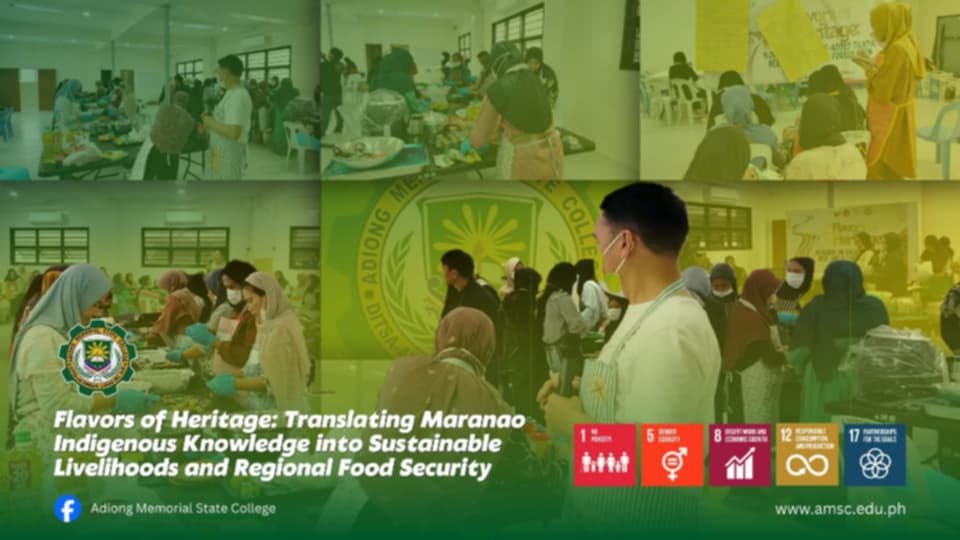
Flavors of Heritage: Translating Maranao Indigenous Knowledge into Sustainable Livelihoods and Regional Food Security
In the kitchens of Lanao del Sur, the sharp, aromatic scent of Sakurab—wild leek—has long been the heartbeat of Maranao culinary tradition. For generations, this pungent herb has been pounded into Palapa, a beloved condiment that signifies home and heritage. Today, that familiar kitchen ritual is evolving into something far greater. Through a transformative initiative by Adiong Memorial State College (AMSC) and the MinSuPala-IRDC Phase 2 consortium, local women are bridging the gap between ancestral knowledge and modern commerce, turning age-old recipes into sustainable micro-enterprises that do more than just feed families—they secure futures.
For centuries, the cultural identity of the Maranao has been inextricably linked to sakurab, the fundamental ingredient of palapa—the soul of every local meal. In the same vein, the vitality of Lanao del Sur’s inland fisheries has rested upon the abundance of Tilapia. Yet, despite this rich bounty, local harvesters have grappled with persistent obstacles: stagnant earnings, a lack of product variety, and the discouraging toll of post-harvest spoilage.
In response to these challenges, AMSC championed a pivotal capacity-building endeavor titled "#Flavors of Heritage: Workshop on Value-Added Tilapia and Palapa Formulation."Serving as the expert lecturer and resource person for this workshop was Mr. Jamal Maunte, who guided participants through the intricate process of product refinement.
This program sought not to displace ancestral customs, but to infuse them with scientific precision. Artisans were introduced to sophisticated techniques that blend Tilapia and beef into traditional palapa, evolving a simple garnish into a nutrient-dense, premium specialty. Beyond mere recipes, the curriculum emphasized meticulous weighing, stringent sanitation, and advanced preservation methods. By transitioning from intuitive estimation to rigorous standardization, the initiative has transformed treasured domestic flavors into sophisticated commodities ready for the regional market.
By elevating primary producers into the realm of competitive micro-processing, this movement directly realizes regional goals for inclusive economic expansion. By focusing on marginalized women, the project positions them as the central economic pillars of their communities, while mitigating resource waste through modernized drying and storage. Most significantly, it safeguards indigenous wisdom by ensuring heritage products can compete in the contemporary marketplace.
The true essence of this work is reflected in its human resonance. Fifty individuals—largely the spouses of local farmers and fishermen, alongside institutional staff—acquired the technical expertise necessary to establish their own household and cooperative ventures.
The impact transcends technical mastery. By fostering a new generation of confident entrepreneurs, the initiative generates vital income that bolsters family health and the educational aspirations of children. Simultaneously, it nurtures profound cultural pride, demonstrating that indigenous culinary legacies can flourish in harmony with modern innovation.
This achievement underscores the power of institutional synergy. Facilitated by the MinSuPala-IRDC consortium in close cooperation with AMSC and municipal leadership, the effort provides a blueprint for community-driven extension.
Moving forward, AMSC remains dedicated to its role as a sanctuary for growth, providing ongoing mentorship in branding, shelf-life verification, and quality standards. As the project advances toward an extensive study on heritage product commercialization, it remains a powerful symbol of how academic institutions can cultivate resilient and empowered communities through the lens of tradition.

Monday, 19 October 2026